Focus
Grand siècle
Preamble
While vintage in Champagne is generally seen as a synonym for excellence in Prestige Cuvées, at
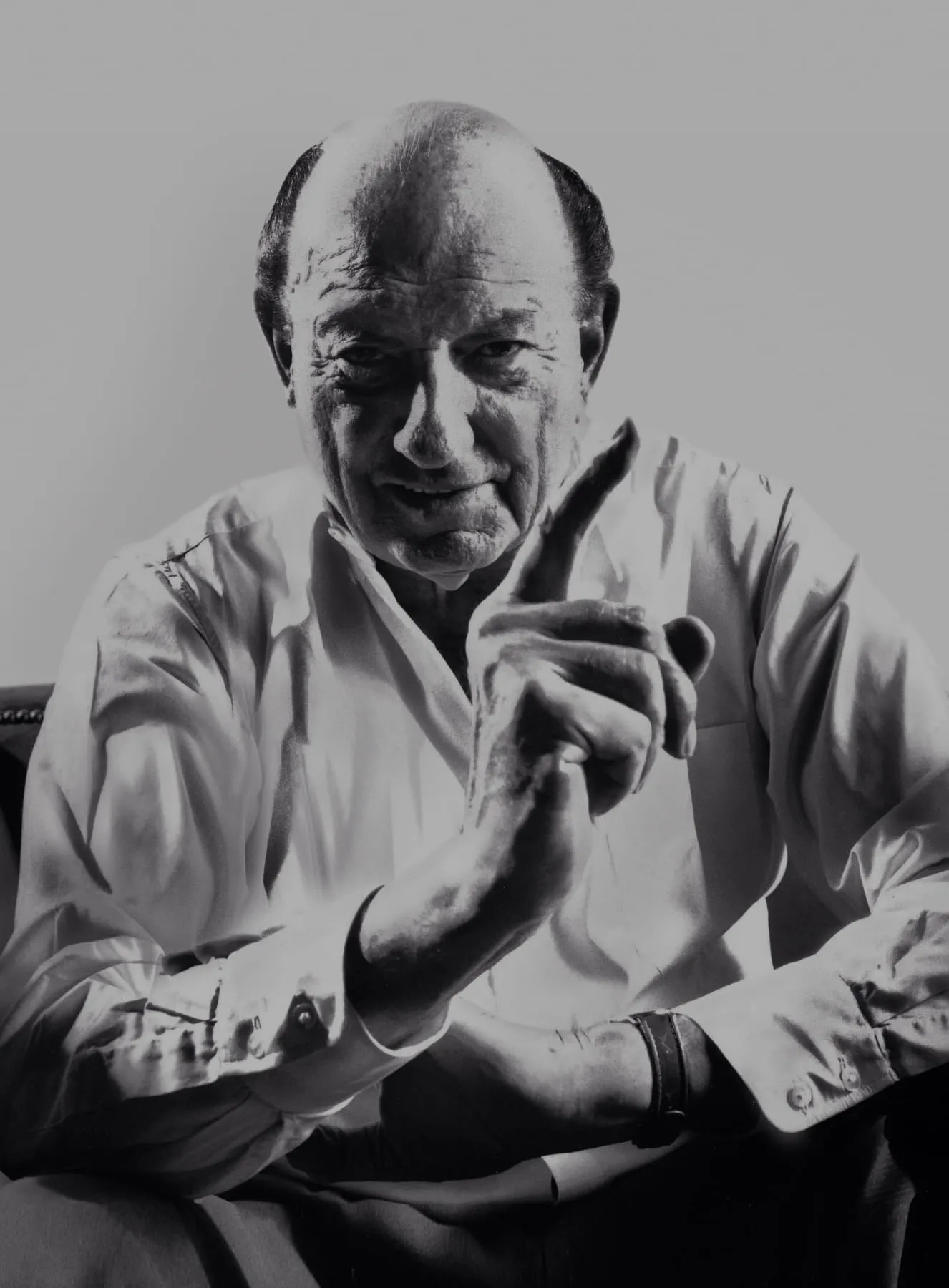
The vision
When Bernard de Nonancourt inherited the House from his mother in 1948 he held the ambition to position
Through the “Art of blending”, Bernard de Nonancourt realised that he could bring together these differing attributes and use their complementarity in order to create the perfection he dreamt of.
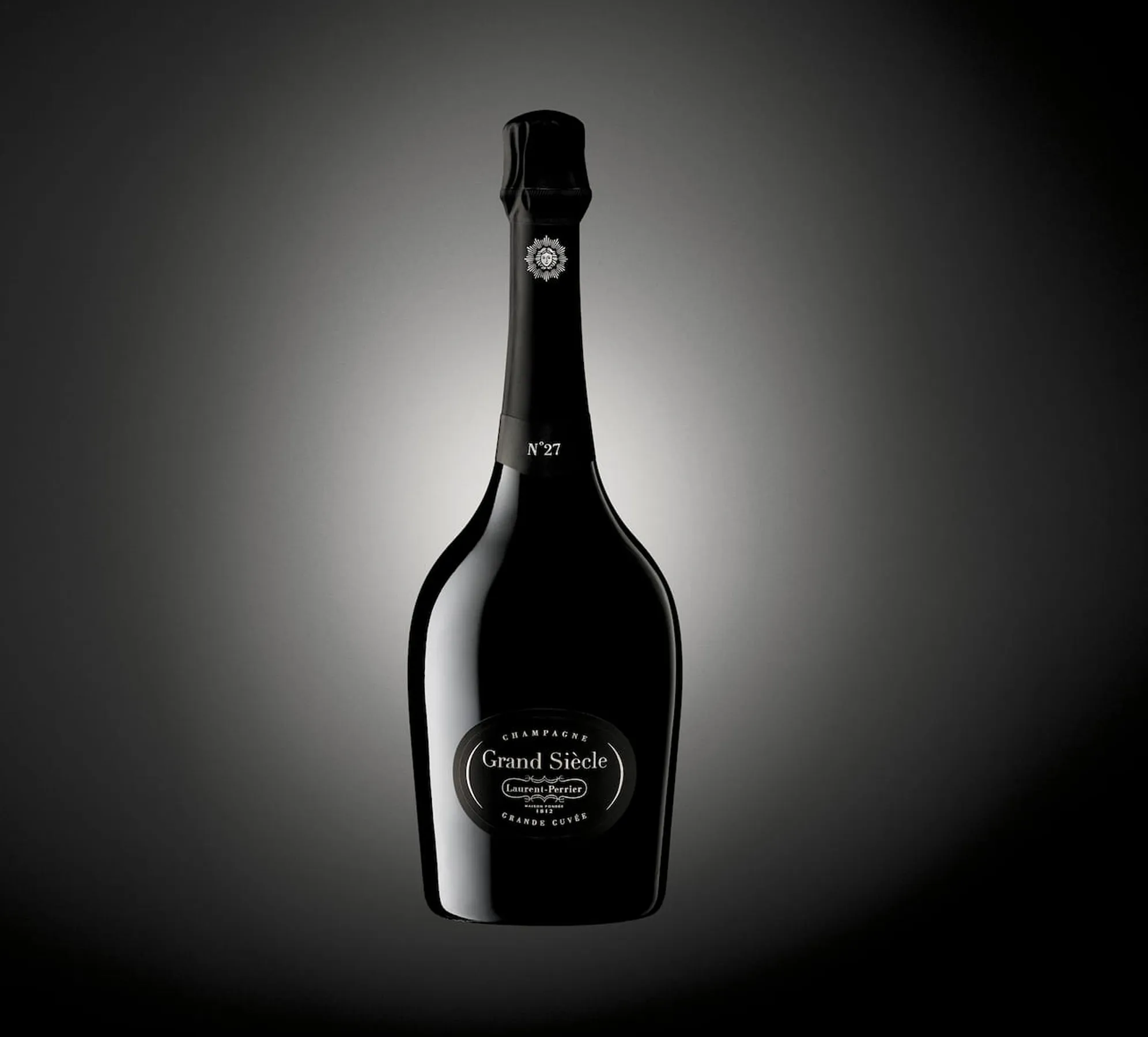
THE EXPRESSION
OF THE PERFECT YEAR
The expression of the perfect year is that of a great Champagne wine that has developed deep aromatic intensity, while successfully preserving its freshness and acidity over time, ensuring remarkable ageing potential.
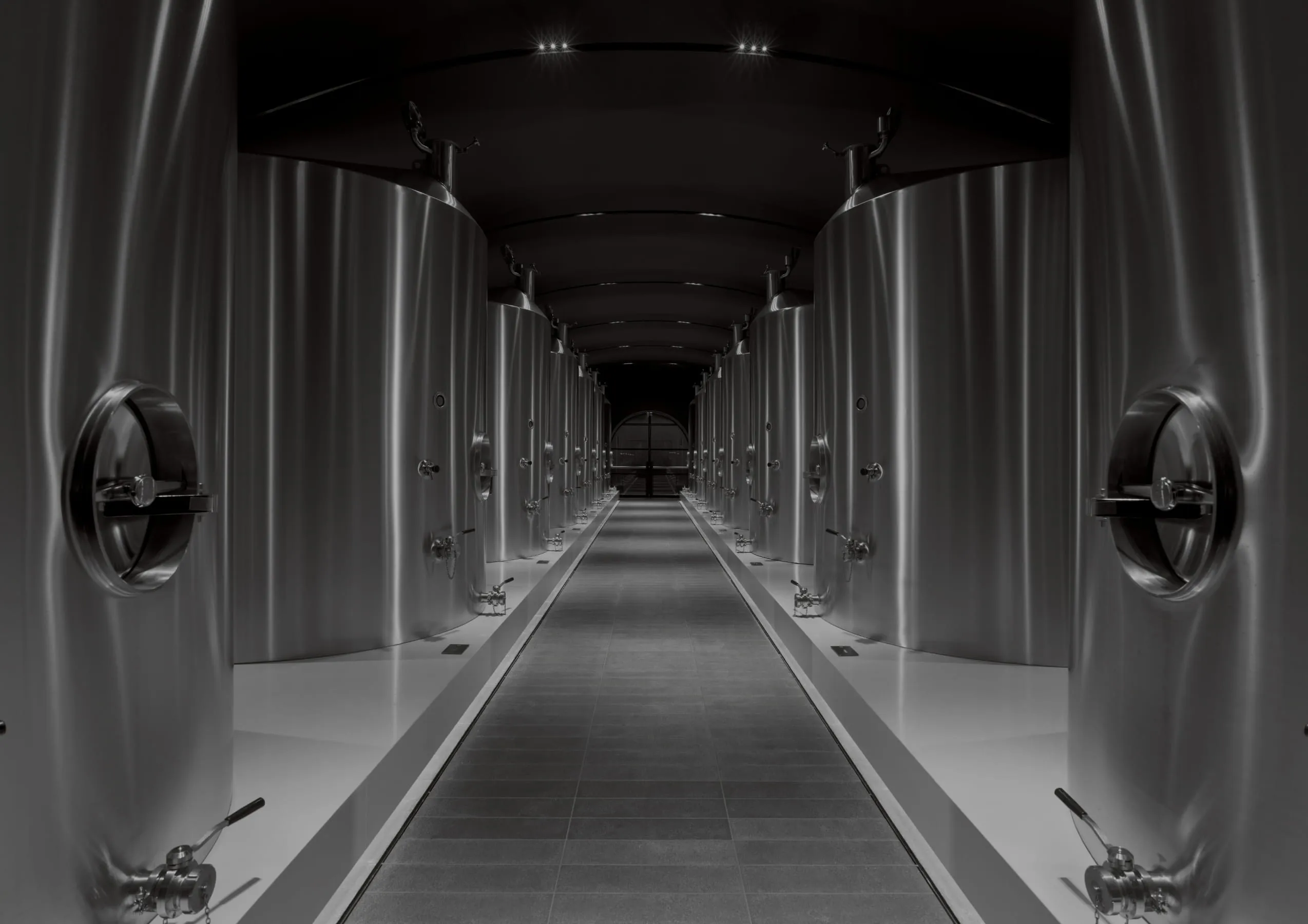
THE PRINCIPLES
To achieve this expression,
- Three exceptional years are selected for their unique character and their ability to guide the blend toward the expression of the perfect year.
- A majority of Chardonnay complemented by Pinot Noir, sourced from up to 11 Grands Crus selected among the 319 Crus of Champagne.
- Extended ageing on lees: 10 years for the 75 cl bottle, and several more years for the Magnum (150 cl).
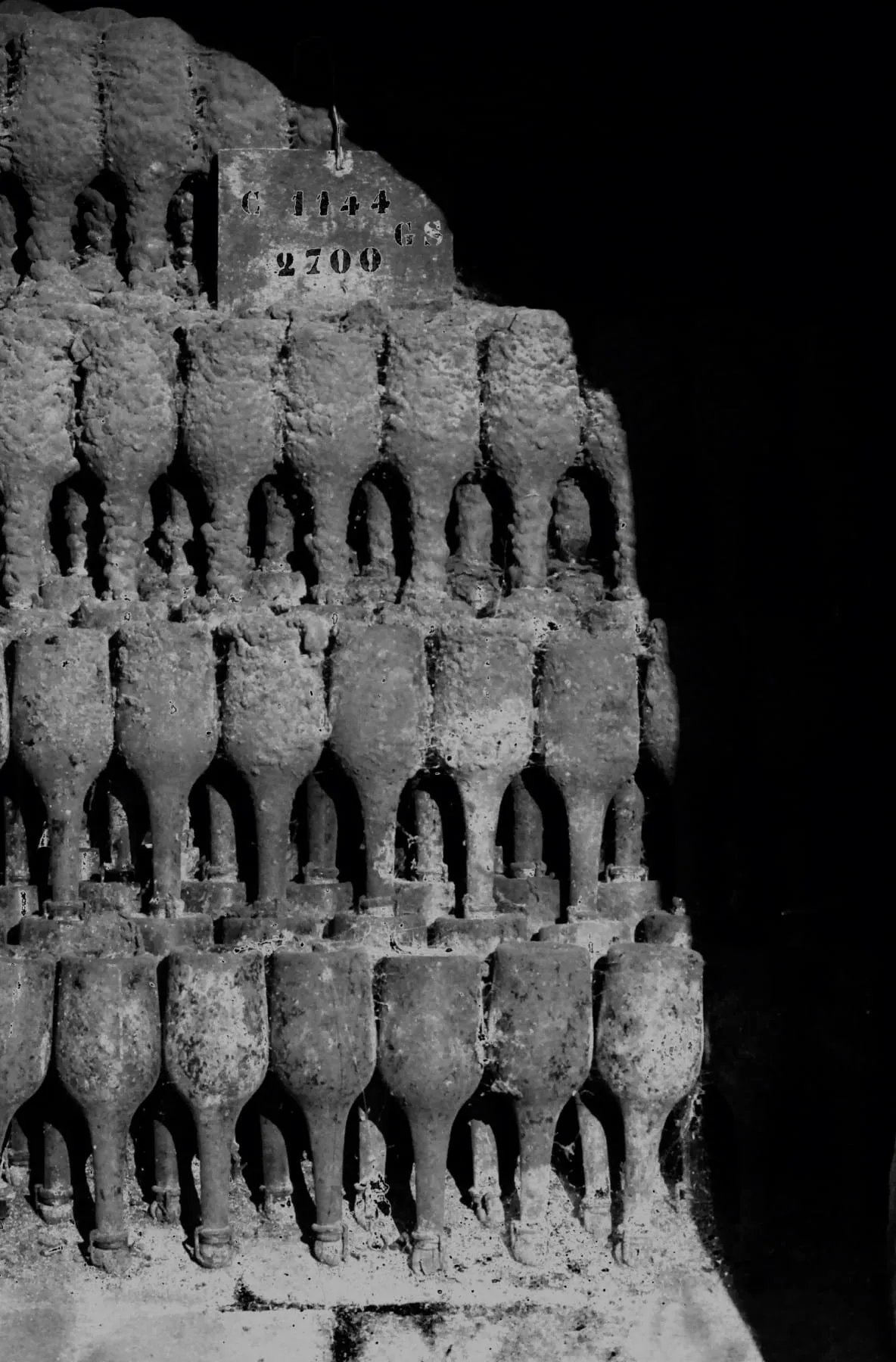
TIME AND PATIENCE
Whenever possible, the House has worked to recreate through each iteration, that is with each new blend of
This additional maturation leads to a further expression of Grand Siècle displaying greater aromatic depth, density and a silkier texture.
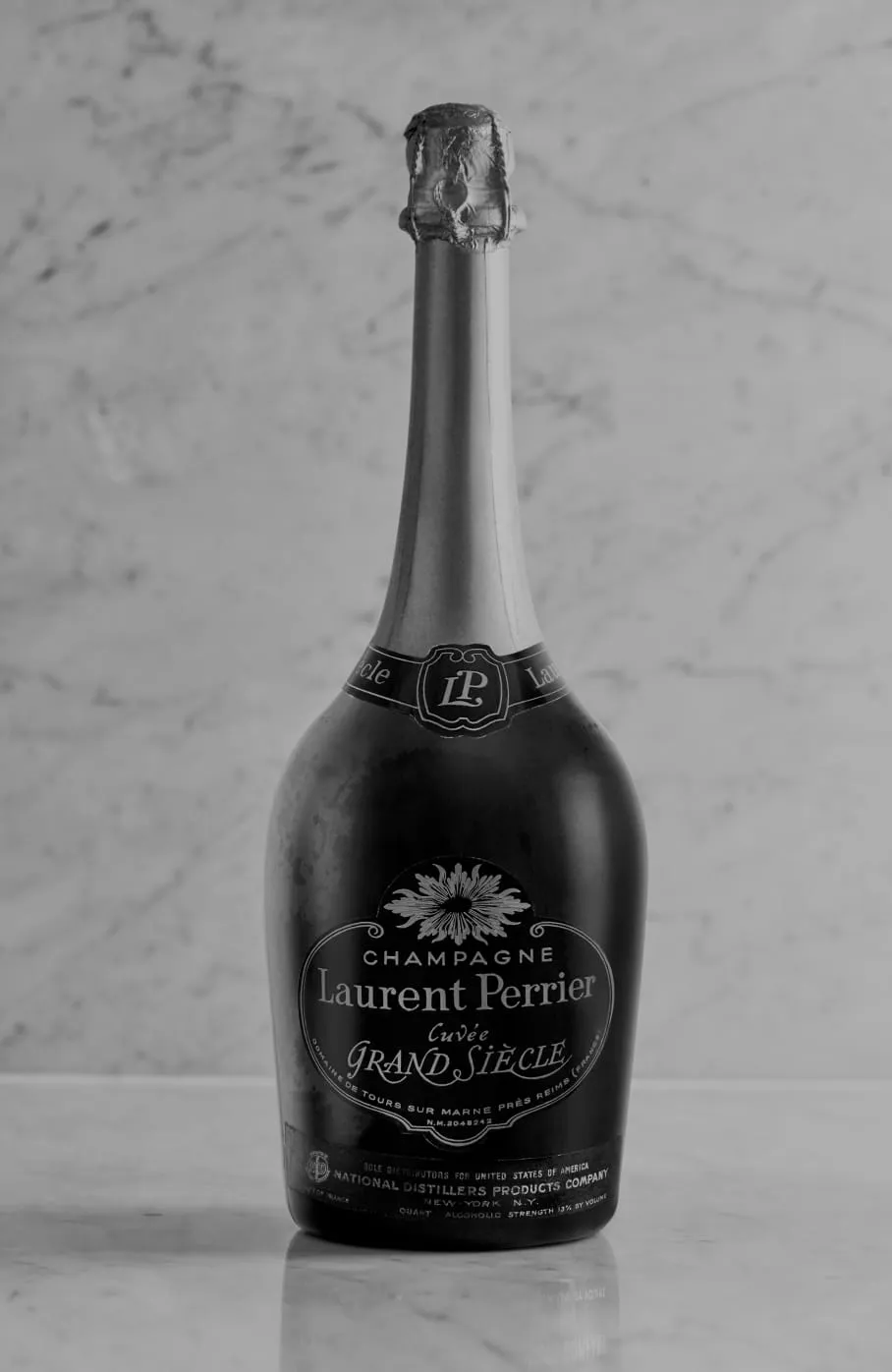
Since 1959,
Recreating
the perfect year
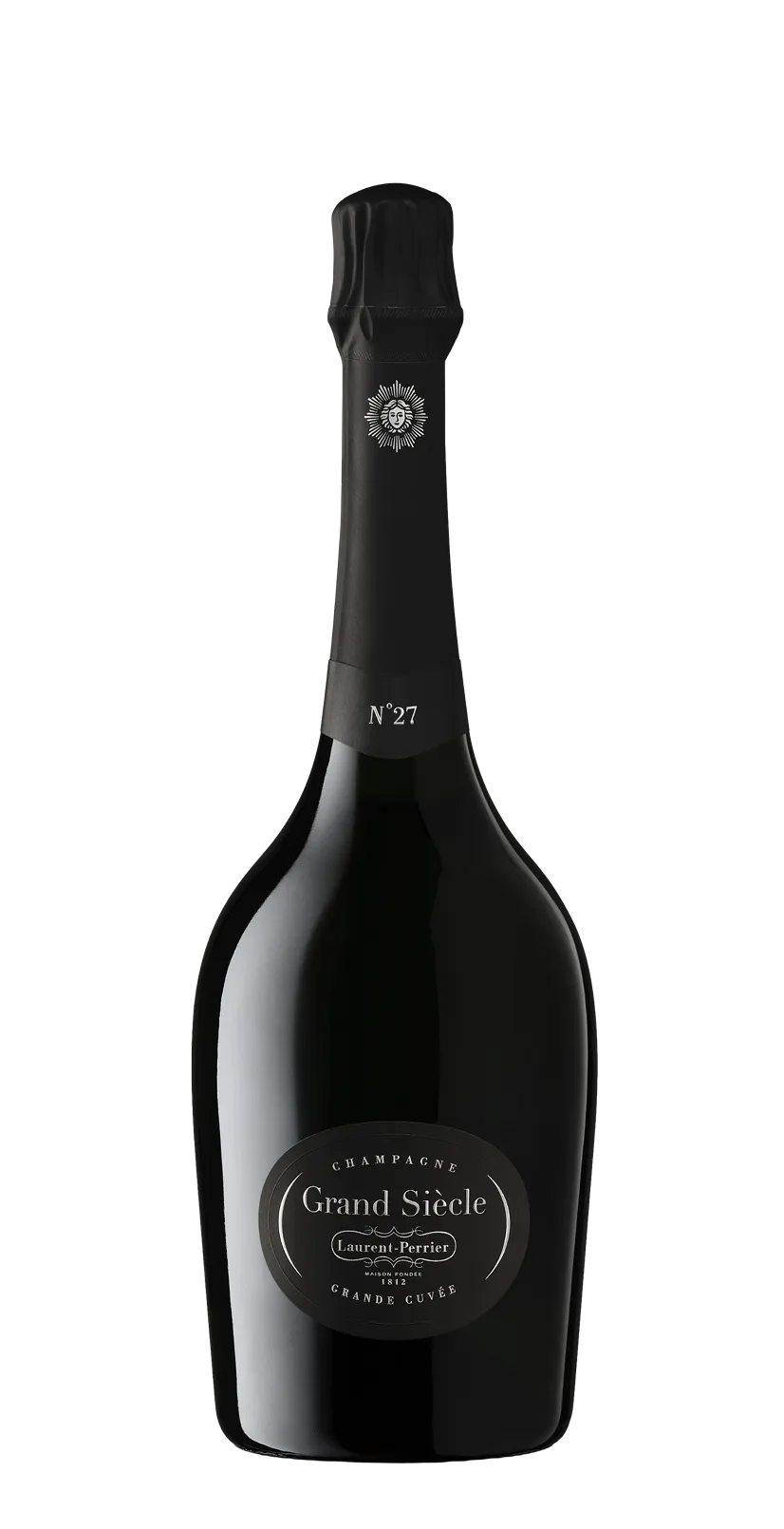
Itération N°27
The year was marked by extreme weather events. A mild, rainy winter gave way to a spring of contrasts, with a cold snap followed by intense heat, and a stormy summer. The cool, dry conditions in September allowed an ideal grape ripening. The Chardonnays are ripe, with yellow fruit aromas, while the Pinots Noirs are opulent and rich.
A harsh winter was followed by a cold spring, resulting in a late budburst. The summer brought intense heat and record sunshine. From September, the weather turned very autumnal, leading to slow ripening. Harvest stretched from late September to mid-October, a rare occurrence in the past 20 years. The Chardonnays offer natural freshness and remarkable balance. The Pinots Noirs are delicate and restrained.
Winter and spring frosts reduced the yield potential early on. Spring rains were offset by a beautiful summer, resulting in wines of great finesse. The Chardonnays are elegant and well-balanced, and the Pinots Noirs show red fruit aromas.
60% Chardonnay from: Le Mesnil-sur-Oger, Oger, Avize, Cramant.
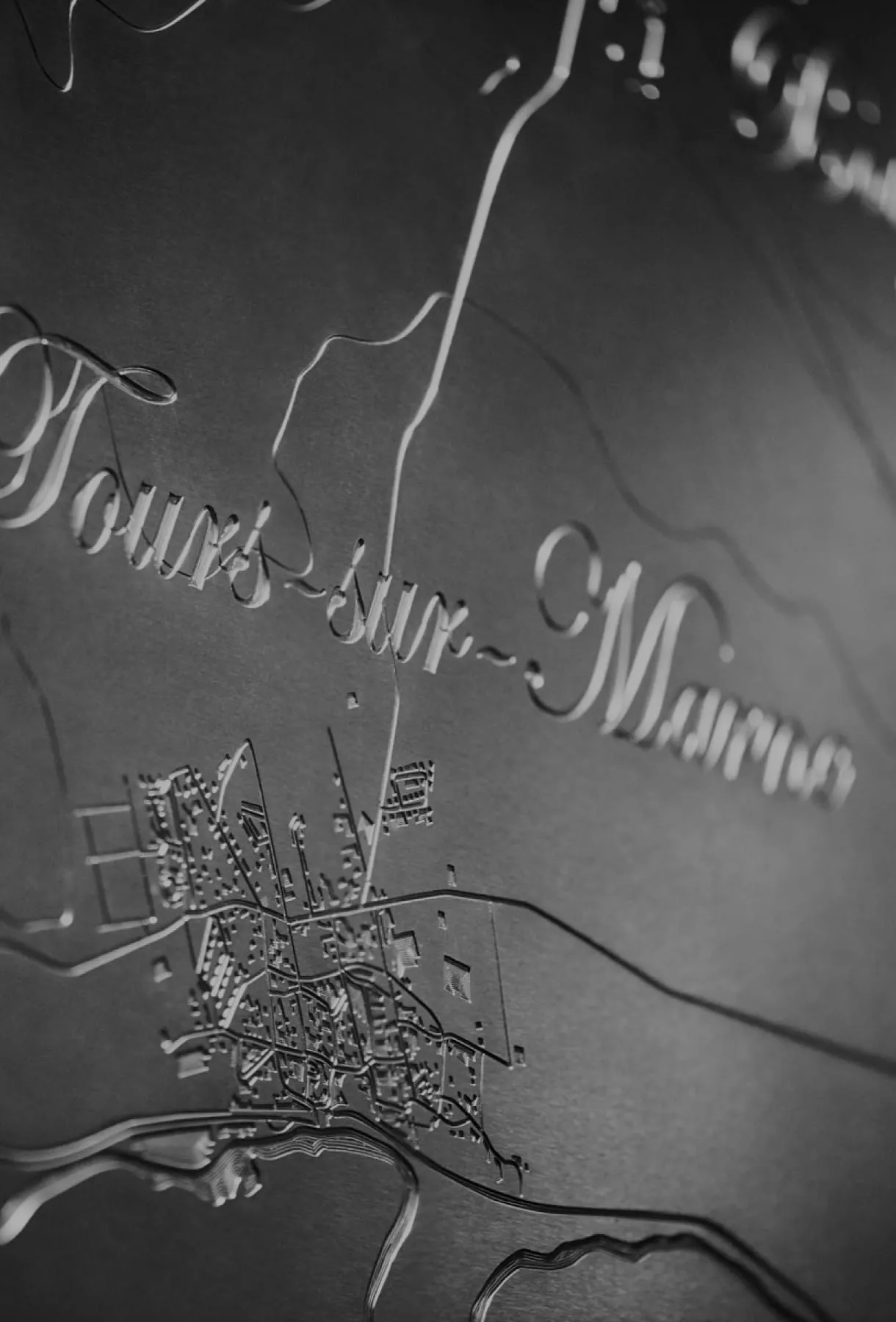
40% Pinot Noir from: Tours-sur-Marne, Ambonnay, Bouzy, Verzy.
10 years of ageing on lees in a 75 cl bottle.
-
Nº262012, 2008, 2007
-
Nº252008, 2007, 2006
-
Nº242007, 2006, 2004
-
Nº232006, 2004, 2002
-
Nº222004, 2002, 1999
-
Nº212002, 1999, 1997
-
Nº201999, 1997, 1996
-
Nº191997, 1996, 1995
-
Nº181996, 1995, 1993
-
Nº171995, 1993, 1990
-
Nº161993, 1990, 1988
-
Nº151990, 1988, 1985
-
Nº141988, 1985, 1982
-
Nº131985, 1982, 1979
-
Nº121982, 1979, 1976
-
Nº111979, 1976, 1975
-
Nº101976, 1975, 1973
-
Nº91975, 1973, 1970
-
Nº81973, 1970, 1969
-
Nº71970, 1969, 1966
-
Nº61969, 1966, 1964
-
Nº51966, 1964, 1961
-
Nº41964, 1961, 1959
-
Nº31961, 1959, 1955
-
Nº21959, 1955, 1953
-
Nº11955, 1953, 1952
The origin
of the name
Le
The symmetry and perspective of the “Jardins à la française“, the capacity to grow Mediterranean fruits especially oranges inside the "Orangerie") in such a northern climate, creating the Grand Canal, the fountains and ponds with no nearby rivers are many illustrations of this ability of man to sublimate natural elements. The name of